Source Diatomite Powder for Construction Chemical and Rubber
Compare 30 verified diatomite powder listings from Chinese manufacturers. Buyers can evaluate mesh sizes, certifications, and packaging options for applications in construction, chemical processing, and rubber industries. Detailed specifications include white or yellow powder forms available in various mesh ranges from 100 to 1250 mesh. Suppliers offer customization, free samples, and flexible delivery times ranging from 3 to 15 days.
Key considerations
Products List


Comprehensive Sourcing Guide
Diatomite Powder Sourcing Guide
Diatomite powder serves as a versatile industrial material, primarily valued for its high porosity, low density, and chemical inertness. Sourcing this material requires a clear understanding of its physical properties and how they align with specific manufacturing processes. Buyers must distinguish between raw, unprocessed diatomite and calcined or chemically treated variants, as the latter offer enhanced filtration efficiency and purity. The global supply chain for diatomite is concentrated in regions with significant geological deposits, with China emerging as a major exporter offering competitive pricing and diverse mesh sizes. Understanding these foundational characteristics is the first step in defining procurement requirements accurately.
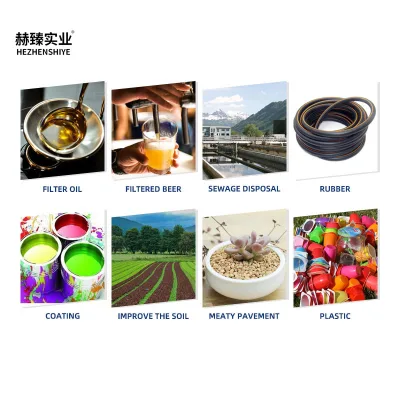
The material’s utility spans multiple sectors, including construction, chemical processing, and pharmaceuticals, due to its ability to act as a filler, filter aid, or abrasive. Procurement teams should evaluate the specific grade required for their application, whether it be for improving wear resistance in rubber products or serving as a base in cosmetic formulations. The availability of customization options allows suppliers to tailor particle size distribution and chemical composition to meet precise technical specifications. This flexibility is crucial for maintaining product consistency in end-use applications, making supplier capability a key factor in the selection process.
Product Scope and Observed Listing Signals
Market listings for diatomite powder reveal a wide range of product attributes that buyers must navigate carefully. Observed data indicates a price range from approximately $0.52 to $580 per unit, reflecting significant variation in purity, mesh size, and packaging quality. The minimum order quantity (MOQ) typically starts at 1 kg for samples or small trials but scales up to 1 ton for bulk industrial orders. This tiered structure allows buyers to test material quality before committing to large volumes, reducing the risk of supply chain disruption due to non-conforming goods.
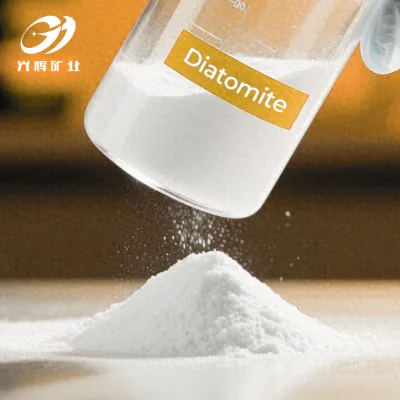
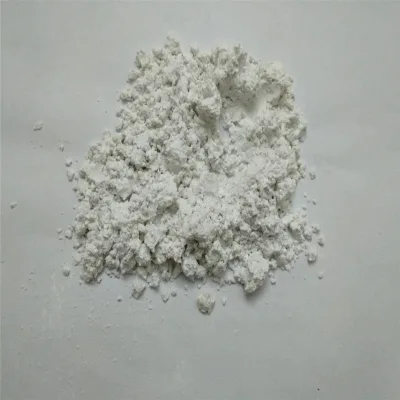
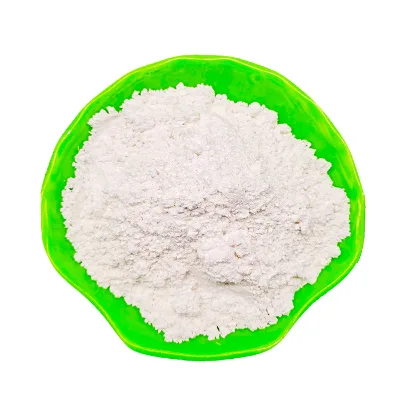
Packaging options vary from 25 kg woven bags to larger ton bags, often placed on pallets for easier handling and storage. The product is generally supplied as a white or yellow powder, with mesh sizes ranging from 100 to 1250, depending on the intended application. Buyers should verify the specific model numbers, such as DRHB-DE251210 or HB-DP06, as these often correlate with distinct particle size distributions and chemical compositions. Clear identification of these specifications is essential to ensure compatibility with existing machinery and processes, preventing operational inefficiencies downstream.
Technical Specifications to Verify
Particle size distribution is a critical technical parameter that dictates the performance of diatomite powder in various applications. Listings show standard mesh ranges from 100-400 mesh up to 1250 mesh, with some products specified between 325 and 800 mesh. Buyers must confirm the exact mesh size required for their process, as finer powders offer higher surface area but may pose handling challenges, while coarser grades provide better flowability. Verifying the consistency of particle size across batches is vital for maintaining product quality in industries like cosmetics and pharmaceuticals, where uniformity is paramount.
Chemical composition and purity levels are equally important, with silicon dioxide (SiO2) being the primary component. Buyers should request detailed chemical analysis reports to ensure low levels of heavy metals and impurities, especially for applications in food, beverage, or pharmaceutical sectors. The CAS number 61790-53-2 and EINECS number 293-303-4 are standard identifiers that help in verifying the material's identity. Additionally, checking for specific additives or treatments that may have been applied during processing is necessary to avoid unintended chemical interactions in the final product.
Compliance and Safety Documentation
Regulatory compliance is non-negotiable when sourcing industrial minerals like diatomite, particularly for applications involving human contact or food processing. Buyers must ensure that suppliers hold valid certifications such as ISO 9001 and CE marking, which indicate adherence to quality management systems and European safety standards. These certifications provide a baseline assurance of the supplier’s ability to maintain consistent product quality and operational safety. However, buyers should also inquire about additional industry-specific certifications, such as FDA approval for food-grade applications or REACH compliance for chemical handling in the EU.
Safety Data Sheets (SDS) are essential documents that outline the handling, storage, and emergency measures for diatomite powder. Buyers should verify that the SDS is up-to-date and accurately reflects the specific grade being purchased. The material is generally considered non-toxic, but fine dust can pose respiratory risks, so proper handling procedures must be established. Additionally, checking for any specific hazard classifications or transport regulations is crucial for ensuring safe logistics and storage, particularly when importing large quantities from international suppliers.
Cost Drivers and Commercial Terms
The cost of diatomite powder is influenced by several factors, including raw material quality, processing complexity, and packaging requirements. Higher mesh sizes and purer grades typically command higher prices due to the additional energy and equipment required for grinding and classification. Buyers should also consider the cost of packaging, as specialized bags or palletized solutions may add to the overall expense. Understanding these cost drivers helps in negotiating better terms and selecting the most cost-effective solution without compromising on quality.
Commercial terms such as payment methods, delivery times, and sample availability play a significant role in the procurement process. Most suppliers accept T/T payments and offer delivery times ranging from 3 to 15 days, depending on order volume and stock availability. Free samples are often available for quality verification, allowing buyers to assess the material before placing a bulk order. Clear agreement on these terms in the purchase contract helps prevent misunderstandings and ensures a smooth transaction process, minimizing financial and operational risks.
Supplier Qualification and Quality Control
Evaluating supplier qualifications is a critical step in mitigating supply chain risks. Buyers should verify the supplier’s production capacity, quality control processes, and track record in the industry. Suppliers with established brands, such as Hb or Rhb, may offer more consistent product quality and better after-sales support. It is also important to check the supplier’s location, with many manufacturers based in Hebei, China, a region known for its mineral resources. Understanding the supplier’s operational base helps in assessing logistics feasibility and potential lead time variations.
Quality control measures should be clearly defined and agreed upon before placing orders. Buyers should request batch-specific test reports and consider implementing third-party inspections for large orders. The availability of customization and OEM services indicates a supplier’s flexibility and commitment to meeting specific buyer requirements. Establishing a robust quality assurance protocol, including regular audits and performance reviews, ensures that the supplier maintains high standards over the long term, safeguarding the buyer’s production integrity.
Long-Term Procurement Checks
Sustainable sourcing practices are increasingly important in the procurement of industrial minerals. Buyers should assess the supplier’s environmental policies and commitment to sustainable mining and processing methods. This includes evaluating waste management practices, energy efficiency, and compliance with environmental regulations. Choosing suppliers who prioritize sustainability not only reduces environmental impact but also enhances brand reputation and aligns with corporate social responsibility goals. Long-term partnerships with such suppliers can lead to better pricing and priority service during supply shortages.
Continuous monitoring of market trends and supplier performance is essential for maintaining a resilient supply chain. Buyers should regularly review pricing trends, technological advancements in diatomite processing, and changes in regulatory requirements. Establishing a diversified supplier base can mitigate risks associated with single-source dependencies. Additionally, fostering open communication with suppliers regarding future needs and potential challenges helps in anticipating market shifts and adjusting procurement strategies accordingly. This proactive approach ensures long-term supply security and cost efficiency.
FAQs
What certifications does the diatomite powder have?
The product holds ISO and CE certifications to ensure quality standards. Specific listings also reference ISO 9001:2008 compliance. These certifications verify that the manufacturing processes meet international requirements for safety and consistency in industrial applications.
How is the diatomite powder packaged for shipment?
Packaging options include 25kg woven bags or ton bags placed on pallets. Some listings specify 20kg or 10kg bag variations. This flexible packaging ensures safe transport while accommodating different order volumes and logistical requirements for bulk industrial delivery.
What is the minimum order quantity for this product?
Minimum order quantities vary between 1kg and 1 ton depending on the specific supplier listing. Some vendors accept single items while others require bulk tonnage. Buyers should verify the exact MOQ with the supplier before placing an order to ensure compliance.
Which mesh sizes are available for the diatomite powder?
Available mesh sizes range from 100 to 1250 mesh, including specific grades like 325 mesh and 800 mesh. These variations allow customization for different applications such as filtration, rubber reinforcement, or chemical engineering. The specific size depends on the product model selected.
Can I request customization or OEM services for this product?
Yes, customization and OEM services are available for this diatomite powder. Buyers can request specific branding or tailored specifications to meet unique industrial needs. This flexibility supports diverse applications in pharmaceutical, cosmetic, and construction sectors requiring specialized material properties.
What is the typical delivery time for orders?
Delivery times typically range from 3 to 15 days depending on the supplier and order specifics. Some listings indicate a standard window of 7 to 15 days for processing and shipping. Buyers should confirm exact lead times with the vendor to plan their logistics effectively.
Where is the diatomite powder manufactured?
The product originates from China, with specific manufacturing locations noted in Hebei. This regional origin is consistent across multiple supplier listings. The location influences logistics and shipping costs, making it a key factor for international buyers sourcing this industrial material.